
Cybersecurity
The Email Looked Legitimate. That's the Problem.
AI is making phishing attacks harder to recognize. Here's why modern email security needs to do more than block suspicious messages.
Fortress Technology Services 2 min read
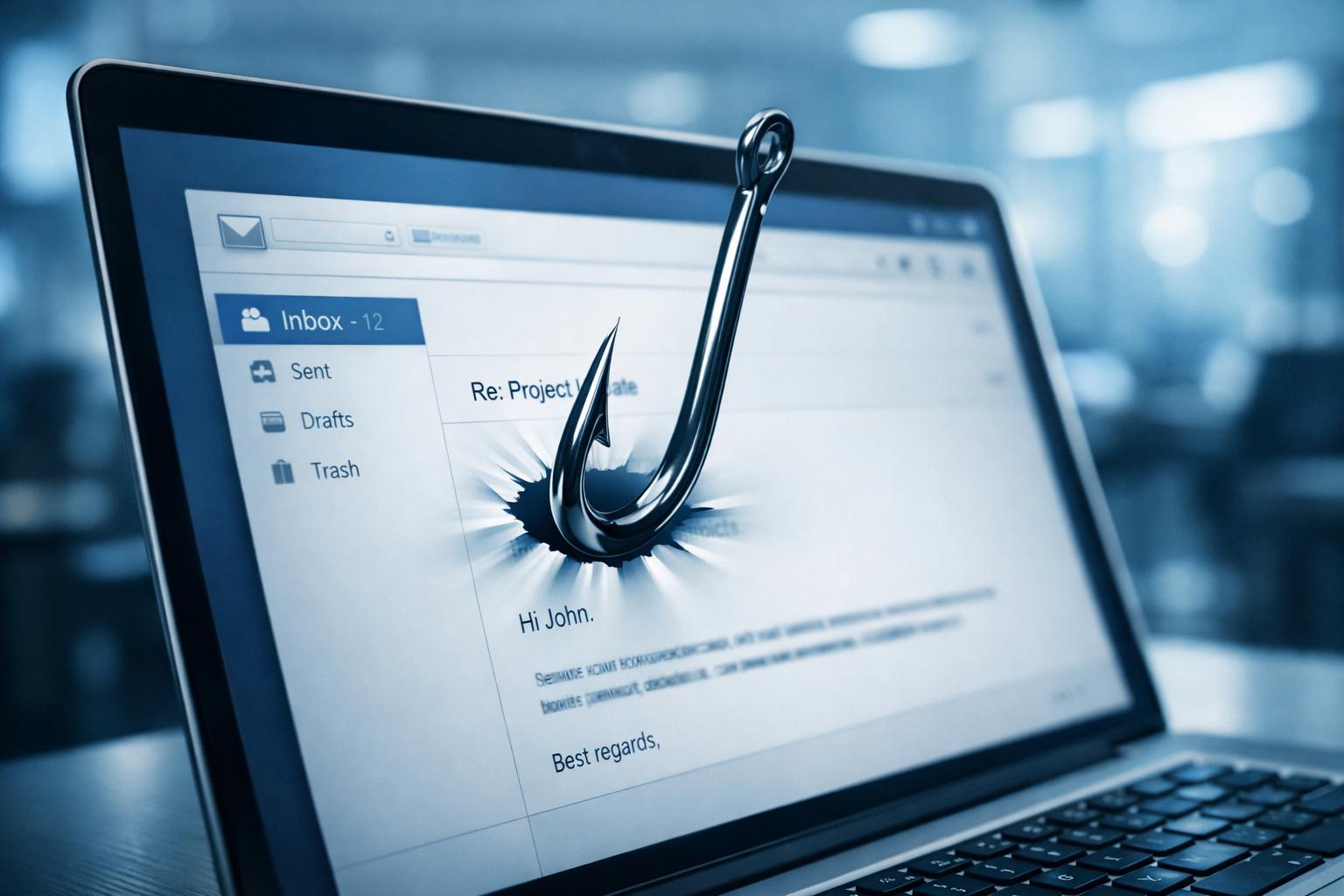
Not long ago, spotting a suspicious email was relatively straightforward. Poor grammar, unusual formatting, questionable links, or an unfamiliar sender address were often enough to raise concerns.
Today, those warning signs aren't nearly as reliable.
Artificial intelligence has made it easier for cybercriminals to create convincing emails that appear to come from trusted companies, business partners, executives, and even coworkers.
An employee might receive what looks like a routine Microsoft 365 notification, an invoice from a familiar vendor, or an urgent request from their manager.
The message looks professional. The branding is convincing. The language sounds natural.
And that is precisely what makes it dangerous.
The Problem Isn't Just Detecting Threats
Traditional email security relies heavily on recognizing suspicious senders, links, attachments, and known attack patterns.
Those protections remain important, but increasingly sophisticated phishing attacks require a more contextual approach.
Security tools need to evaluate not only where an email came from, but what the message is asking someone to do.
Is the sender impersonating a trusted organization? Is the message creating artificial urgency? Is someone requesting an unusual payment, password reset, or change to banking information?
Equally important, employees need understandable guidance when something suspicious reaches their inbox.
A warning that simply says “Potential Threat” doesn't necessarily help someone understand what makes the message dangerous.
Bringing AI Into Email Protection
This is one reason Fortress Technology Services incorporates INKY into its cybersecurity technology stack.
INKY uses artificial intelligence to examine email content, sender behavior, visual elements, and other signals associated with phishing and impersonation.
Its color-coded email banners help users recognize suspicious messages and understand why they may be risky.
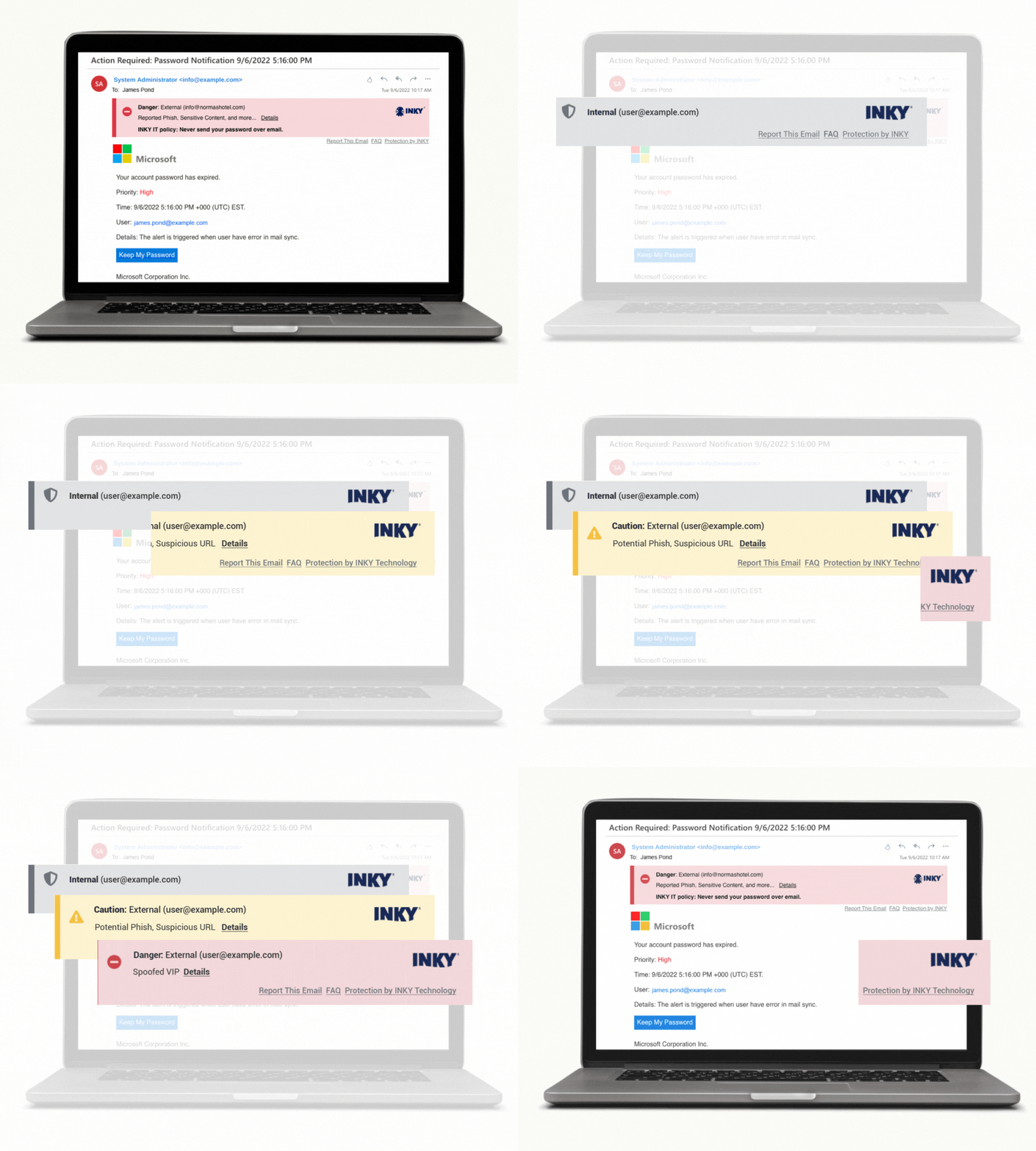
Kaseya recently introduced INKY Smart Insights, which extends this approach by providing administrators with an AI-assisted explanation of suspicious messages, including relevant evidence and risk indicators.
According to Kaseya, Smart Insights can reduce an investigation that might otherwise take approximately ten minutes to just seconds.
The practical benefit isn't simply faster analysis. It's helping technology teams make informed decisions sooner while providing clearer explanations to the people they support.
What This Means for Your Business
Consider an employee who receives an email appearing to come from a familiar supplier requesting updated banking information.
Without appropriate safeguards, that employee may trust the message and initiate a payment change.
Modern email protection can help identify suspicious behavior, flag the message, and give the employee a reason to verify the request before taking action.
No security product catches every threat, and employees should still verify unusual financial or sensitive requests through a trusted, independent communication channel.
But combining intelligent email analysis, understandable warnings, employee awareness, and ongoing security oversight creates a stronger defense.
The objective isn't simply to stop malicious emails. It's to reduce the likelihood that a convincing message becomes a costly business incident.
That's why email security is an important part of the Fortress approach to protecting businesses.
Source: Richard McKay, Kaseya, September 11, 2026 — Is This Email Safe? INKY Smart Insights Answers in Seconds.
Want to talk through your technology priorities?
Start a conversation with Fortress Technology Services.
Let's talk technology